By Carmel Landscape Design · October 18, 2026
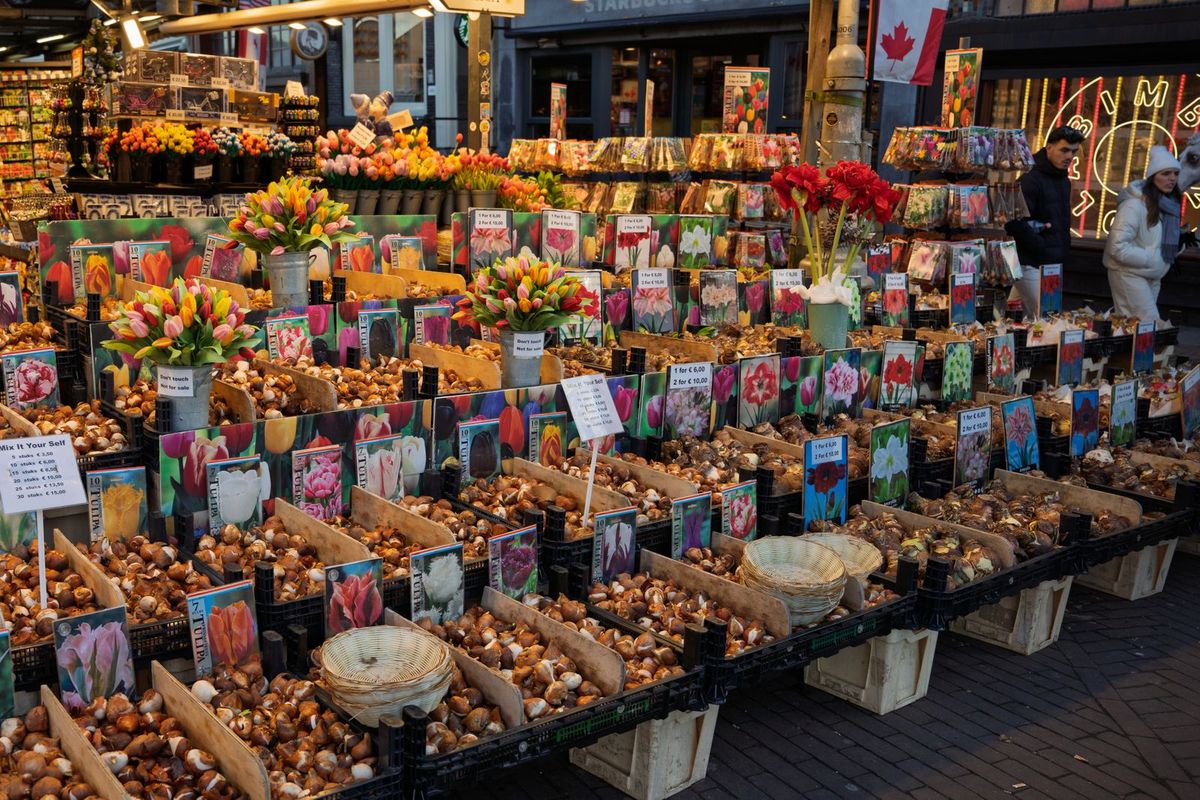
Winter is coming to Carmel and Hamilton County, and a nice stretch of fall weather is the perfect time to do one of the most rewarding yard jobs of the year: planting spring bulbs. An hour or two on a mild weekend now pays you back in April with tulips, daffodils and crocus coming up before almost anything else in the yard is green.
Purdue Extension says hardy spring bulbs should go in from late September through mid-October in most of Indiana. Bulbs planted in fall have time to grow roots before winter and get the cold period most of them need to bloom.
Missed that window? You are not out of luck. Purdue notes that as long as the soil stays above 40°F, bulbs keep growing roots, and that planting late is better than trying to store bulbs over the winter. The idea is simple: get them in after the soil has cooled and before the ground freezes, ideally several weeks before a hard freeze so the roots get established. A warm, sunny week in late October is a good time to finish the job.
Purdue's rule of thumb is to plant at a depth of about 2½ to 3 times the bulb's widest diameter, measured to the bottom of the bulb, and to follow the directions that come with the bulbs. In practice that puts big bulbs like tulips and daffodils deeper and small bulbs like crocus closer to the surface. Small bulbs can go closer together than big ones.
Plant with the pointy end up. If you cannot tell, plant the bulb on its side and it will sort itself out. For the best look, plant in groups or drifts instead of single-file rows.
Drainage matters more than anything else. Purdue warns that bulbs will not tolerate poorly drained soil, so skip spots where water stands after a rain, and mix compost into heavy clay before planting.
Most spring bulbs want full sun or part shade. A lot of spots that are shady in summer are sunny in early spring, because the trees have not leafed out yet, so the ground under a big maple can work for early bloomers like crocus. Bulbs also look great along the front walk, in front of evergreen shrubs, around the mailbox and in pots by the door. Plant hyacinths where you will walk past them, and save the tallest alliums for the back of a bed. Keep in mind that bulb foliage needs to stay until it yellows in late spring, so tuck bulbs among perennials that will fill in and hide the fading leaves.
Water the bed well right after planting to settle the soil and get roots started, then water again if the fall turns dry. After the ground freezes, add a layer of mulch. Purdue says mulching after the freeze helps keep bulbs from being heaved out of the soil by freezing and thawing.
Bulbs are a great way to try out a new bed design. If you want to see how a planting bed or new landscape will look before you dig, our designers use Plot Vision 3D visualization to show you the plan on your own yard.
Planting a few dozen bulbs is a perfect DIY project. Call a landscape designer if you want a whole new bed, are planting hundreds of bulbs, need drainage fixed or soil improved, or want bulbs as part of a bigger landscape plan for spring. The local landscape pros we work with can plan it, plant it, and have it ready to bloom.
Tell us about your yard, and a local Carmel landscape designer will get you a free quote. Or tap to call.
 CARMEL